Claim Your Free Quote Now
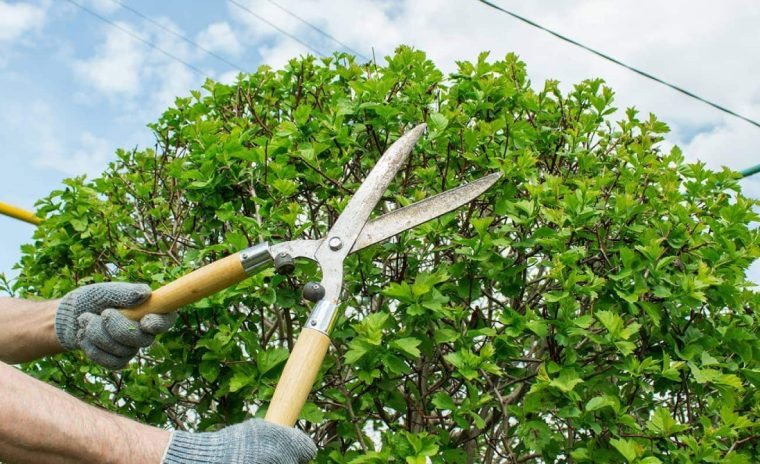
Learning how to prune a tree can feel overwhelming at first. Many homeowners worry about cutting the wrong branch or causing damage that cannot be undone. That concern makes sense. Trees respond directly to how they are pruned, and poor cuts can create long-term issues.
This tree pruning guide is built for beginners. It explains what pruning is, why pruning trees matters, when to prune trees, and how to prune a tree safely step by step. Whether you are caring for a shade tree or maintaining fruit trees, this guide gives you clear direction you can trust.
What Is Pruning?
What is pruning exactly? Pruning is the selective removal of tree branches to improve structure, safety, and long-term health. It is not random cutting and it is not about removing as much growth as possible. Each cut should serve a purpose.
Pruning trees helps direct growth, removes weak or dead limbs, and reduces stress on the tree over time. When done correctly, pruning supports natural growth patterns and keeps trees stable as they mature.
Why Pruning Trees Is Important
Pruning trees plays a major role in preventing problems before they start. Trees that are left unattended often develop crowded canopies, weak branch attachments, and hidden defects that become hazards during storms.
Regular pruning tree branches helps reduce the chance of falling limbs, improves airflow through the canopy, and allows sunlight to reach lower growth. For fruit trees, pruning directly affects yield and branch strength. Without proper pruning, fruit trees often produce smaller fruit and suffer from broken limbs under heavy loads.
When to Prune Trees for Healthy Growth
Understanding when to prune trees is critical. Timing affects how well a tree recovers from cuts and how it grows afterward.
General pruning timing guidelines:
- Late winter to early spring works well for most trees
- Summer pruning is useful for light corrective cuts
- Fall pruning is usually avoided due to slower healing
- Broken or hazardous limbs should be removed immediately
Pruning during the dormant season allows trees to seal cuts efficiently once new growth begins. This timing also makes structural issues easier to see.
Tools Needed for Pruning Tree Branches
Having the right tools makes pruning safer and cleaner. Each tool should match the size of the branch being removed.
Basic pruning tools include:
- Hand pruners for small branches
- Loppers for medium-sized limbs
- Pruning saws for larger branches
Safety equipment matters as well:
- Gloves protect hands from sharp edges
- Eye protection shields against falling debris
- Helmets are helpful when working under trees
Clean and sharp tools reduce damage to the tree and lower the risk of disease spread.
How to Prune a Tree Step by Step
Knowing how to prune a tree starts with observation. Walk around the tree and study its structure before making any cuts. Look for dead, damaged, or crossing branches that interfere with healthy growth.
Basic pruning order:
- Remove dead or broken branches
- Eliminate branches that rub or cross
- Thin crowded areas carefully
- Maintain a natural shape
Always cut just outside the branch collar. Avoid cutting flush against the trunk. Making clean cuts allows the tree to recover properly and limits decay.
Proper Techniques for Pruning Tree Branches
Correct technique protects both the tree and the person doing the work. Larger limbs require extra care to prevent tearing bark.
Three-cut method for large branches:
- First cut underneath the branch to prevent splitting
- Second cut from the top to remove weight
- Final cut near the branch collar
Never remove more than 25 percent of the canopy in one season. Removing too much growth at once can weaken the tree and trigger unstable regrowth.
Common Tree Pruning Mistakes to Avoid
Many beginners make mistakes that cause long-term issues. One of the most harmful is topping, which leads to weak growth and future hazards. Over-pruning is another common problem that reduces the tree’s ability to produce energy.
Using dull tools, pruning at the wrong time, or damaging bark with climbing spurs can also harm tree health. Deciduous trees benefit from spurless climbing methods that protect bark and internal layers.
Pruning Tips by Tree Type
Different trees respond differently to pruning. Understanding these differences improves results.
| Tree Type | Pruning Focus | Timing |
| Deciduous | Structure and balance | Dormant season |
| Evergreen | Light shaping only | Limited pruning |
| Fruit trees | Airflow and sunlight | Annual pruning |
| Ornamentals | Natural form | Seasonal |
Matching pruning methods to tree type helps avoid unnecessary stress.
How Often Should Trees Be Pruned?
Pruning frequency depends on age and condition.
- Young trees benefit from pruning every 1 to 3 years
- Mature trees typically need pruning every 3 to 5 years
- Fruit trees usually require yearly pruning
Regular maintenance prevents the need for heavy corrective pruning later.
Can Homeowners Prune Trees Themselves?
Homeowners can handle small trees and light pruning with the right tools and knowledge. Larger trees carry greater risk due to height, weight, and proximity to structures.
Branches near homes, driveways, or power lines should be handled by trained professionals. Knowing your limits is part of learning how to prune a tree safely.
Conclusion. Prune With Confidence
Learning how to prune a tree is about making careful decisions, not cutting more branches. When you understand what pruning is, when to prune trees, and how pruning tree branches affects growth, trees stay healthier and safer.
This tree pruning guide gives beginners the knowledge needed to make informed pruning choices and avoid common mistakes.
How Ivan’s Tree Removal Services Can Help
When pruning goes beyond basic maintenance, we are ready to help. At Ivan’s Tree Removal Services, we focus on detailed tree pruning, spurless climbing for deciduous trees, and meeting each customer’s needs. With a certified arborist on staff, full insurance, and ISA and TCIA membership, we are trusted throughout Auburn, WA and nearby areas. We work hard, do more in the same amount of time, and aim to keep customers coming back for years.